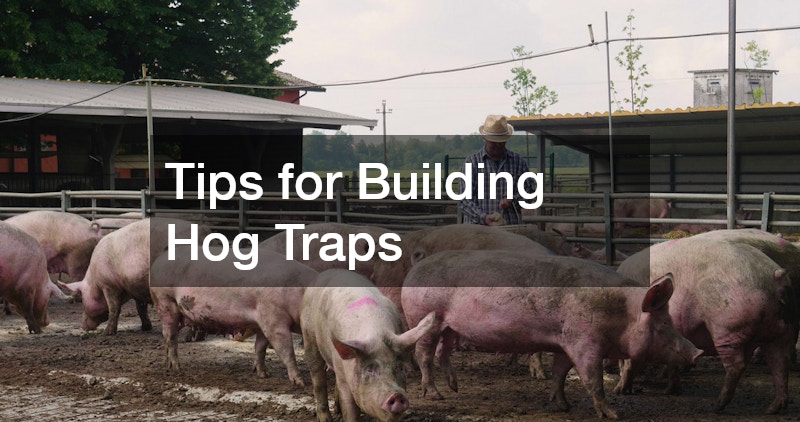
This guide explores essential tips for building effective and humane hog traps to manage feral hog populations. Feral hogs significantly threaten ecosystems and agriculture, with economic damage in the US estimated at $1.5 billion annually. Efficient hog traps help mitigate these impacts, ensuring ecological balance and agricultural productivity.
Choosing the Right Location for Your Hog Trap
Understanding Hog Behavior
Hogs are nocturnal, moving during cooler nights and feeding near water sources. They travel in groups known as sounders; mapping their trails boosts trapping success.
Game cameras can confirm patterns before trap positioning. Ensure location accessibility for setup and maintenance, considering transportation needs and environmental factors.
Signs of Hog Activity
Recognize hog activity through rooting and wallowing signs, droppings, tracks, and damaged structures. Continuous observation and technology, like motion-activated cameras, help adjust trapping strategies for enhanced success rates.
Accessibility and Safety
Trap locations should be accessible by vehicles and safe for humans and hogs. Avoid frequent human areas and risky environmental conditions. Consider environmental and legal factors to minimize ecosystem impact and comply with wildlife laws.
Using Technology for Location Selection
Technology such as GIS, trail cameras, and drones improve trap location accuracy and efficiency. These tools offer insights into hog movements, enhancing capture success and maintaining minimal environmental disturbance.
Materials for Hog Traps
Essential Components
Key materials include welded wire panels, heavy-duty hinges, and locks. Steel posts offer support. Quick-release clamps and corrosion-resistant materials enhance durability. Select appropriate trigger systems for reliability.
Wire and Mesh Selection
Heavy-gauge welded wire or hog wire is essential for containing hogs. Ensure mesh size prevents escapes and complies with guidelines. Materials should be robust yet lightweight for portability.
Construction and Tools
Necessary tools include hammers, wrenches, drills, and saws. Personal protective equipment ensures safe construction. Specialized tools may be needed for welding and cutting.
Cost-Effective Alternatives
Use recycled or second-hand materials where possible. DIY solutions can provide budget-friendly yet effective trap components.
Maintenance Supplies
Maintenance involves rust prevention, lubrication, and regular equipment checks. Cleaning supplies and routine inspections preserve trap integrity and functionality.
Designing an Effective Hog Trap
Trap Dimensions and Space
Proper trap dimensions accommodate multiple captures, minimizing hog stress and escape risk. Space management enhances bait distribution and gate setup.
Entry and Exit Mechanisms
Automatic gate triggers and one-way doors enhance trapping efficiency, allowing entry but preventing escape. Mechanical systems offer reliability without electrical dependence.
Incorporating Automation
Automated doors improve trapping efficiency. Reliable sensors and mechanical backups ensure operational reliability under diverse conditions.
Single vs. Multi-Capture Traps
Single-capture traps are portable and targeted, while multi-capture designs handle larger groups, optimizing effort. Design choice depends on hog density and management goals.
Safety Features
Safety features like rounded edges and secondary locks prevent injury and unauthorized access. Trap design should align with ethical trapping practices to protect animals and handlers.
Baiting for Success
Effective Bait Types
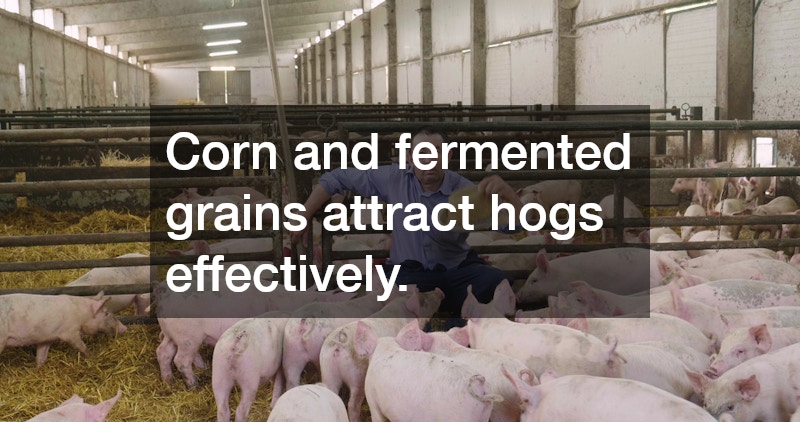
Corn and fermented grains attract hogs effectively. Use baits that target hog preferences and reduce non-target attraction.
Setting Bait Stations
Position bait stations strategically to avoid human interference and maximize hog attraction. Bait spacing and freshness are crucial for success.
Seasonal Bait Preferences
Adjust bait types seasonally to align with hog dietary needs, ensuring continuous trap effectiveness.
Preventing Non-Target Interference
Use bait stations designed to limit access by non-target species, ensuring resources focus on hog captures.
Using Scent Trails
Scent trails enhance trap attraction by guiding hogs naturally from their paths into the trap.
Monitoring and Maintenance
Using Game Cameras
Game cameras provide insights into hog movements and trap efficiency, allowing strategic adjustments to enhance success rates.
Daily Maintenance
Regular checks ensure traps maintain functionality and efficiency. Address structural and bait issues proactively.
Adjusting and Evaluating Success
Track success rates to refine strategies, adjusting traps based on performance data and environmental factors.
Managing Malfunctions
Swiftly address malfunctions with prepared toolkits and trained personnel to maintain trap efficiency and reduce downtime.
Ethical and Legal Considerations
Ensure traps comply with legal standards and ethical guidelines, prioritizing humane treatment and responsible wildlife management.
Building a successful hog trap involves careful planning, material selection, and consistent monitoring. Utilize technology and understand hog behavior for optimized trap placement. Legal and ethical compliance is crucial for effective wildlife management, supporting conservation objectives and preserving ecosystems.